Why Art Gets Returned, and Which Returns You Can Prevent

A returned piece is never really about the piece. It's about the wall nobody measured before checkout.
That's the pattern behind most returns a gallery or shop didn't see coming. The buyer liked the work enough to pay for it. Then it arrived, and something about the room didn't agree with something about the painting. Size, color, weight, the way the frame caught the light from a window they'd forgotten was there. The art was fine. The gap was in what the buyer could picture before the box showed up.
Not every return fits that pattern. Some pieces arrive damaged. Some buyers genuinely change their mind, and no amount of information was going to stop that. But a large share of returns on original and limited-run art trace back to one thing: the buyer bought a picture of the work, not a sense of the work in their own space.
Photo by Anete Lūsiņa on Unsplash
The three returns that were never about the art
Scale is the biggest one. A painting that reads as a strong centerpiece on a product page, cropped tight against white, can turn oddly small once it's hanging on an actual wall with actual furniture around it. Buyers rarely picture dimensions correctly from a number alone. 150 x 100 cm means very little until it's next to a sofa they can picture.
Color is the second. Screens render differently, lighting at home is nothing like a studio shot, and a warm living room lamp will shift a blue painting toward green in a way no product photo warns anyone about.
The third is weight of presence. Some pieces are loud in a way that looks exciting in a gallery and exhausting at breakfast every morning. That one is harder to prevent. It sits closer to the genuine change of mind that no preview will stop.
What actually prevents the first two
A real-size preview on the buyer's own wall, through their phone camera, fixes the scale problem directly. It doesn't fix color under every lighting condition, and it doesn't fix the buyers who change their mind for reasons that have nothing to do with the painting. That's the honest limit of it. A preview tool removes the guesswork about size and rough placement. It doesn't remove the risk of returns caused by ordinary buyer's remorse, and it won't replicate exactly how afternoon light hits a canvas at 4pm in October.
Blenda's AR preview exists for exactly the scale and placement part of that problem, nothing more. It's the part that's actually fixable before the box ships, so it's worth fixing.
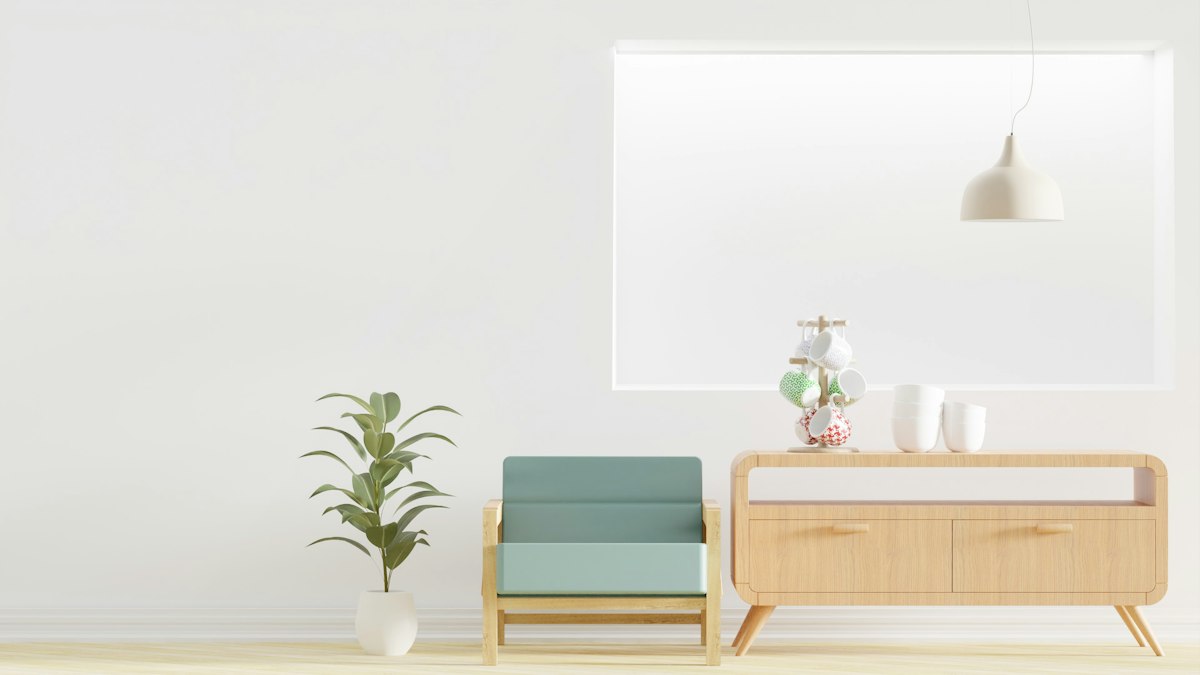
Photo by dada design on Unsplash
What to do about the returns a preview can't touch
For color, give buyers an honest description, not a flattering one. "Deep navy, leans teal in warm light" tells a buyer more than a color-corrected photo ever will.
For weight of presence, let buyers see the piece in a few different rooms, not just the white gallery wall it was shot against. A loud piece against a loud room photographs differently than the same piece against a plain one, and buyers who see both are less likely to be surprised at home.
For the genuine change of mind, write a returns policy that doesn't punish the buyer for being honest fast. A clear 14-day window stated upfront, with the buyer covering return shipping, costs a shop far less than the silent buyer who keeps the piece out of guilt and never buys again.
Treat the return itself as data, not failure. If the same size, the same color family, or the same piece keeps coming back, that's a pattern a shop can fix at the listing stage, before the next buyer runs into it.
FAQ
Why do buyers return art after they already bought it?
Most returns after purchase come down to a mismatch between what the buyer pictured and what arrived, usually size or color, not a problem with the piece itself.
Can an AR preview stop art returns?
An AR preview that shows the piece at true size on the buyer's own wall removes most scale-related returns. It does not fix color shifts caused by home lighting or returns caused by a genuine change of mind.
What's a fair returns policy for original art?
A clearly stated window, often 14 days, with the buyer covering return shipping, is standard for original and limited-run pieces and keeps the cost predictable for the seller.
Does showing art in different room settings reduce returns?
Yes. Buyers who see a piece photographed in more than one kind of room are less likely to be surprised by how it reads in their own space, because the comparison isn't just the piece against a blank gallery wall.