Where art shops lose the sale: the three drop-off points
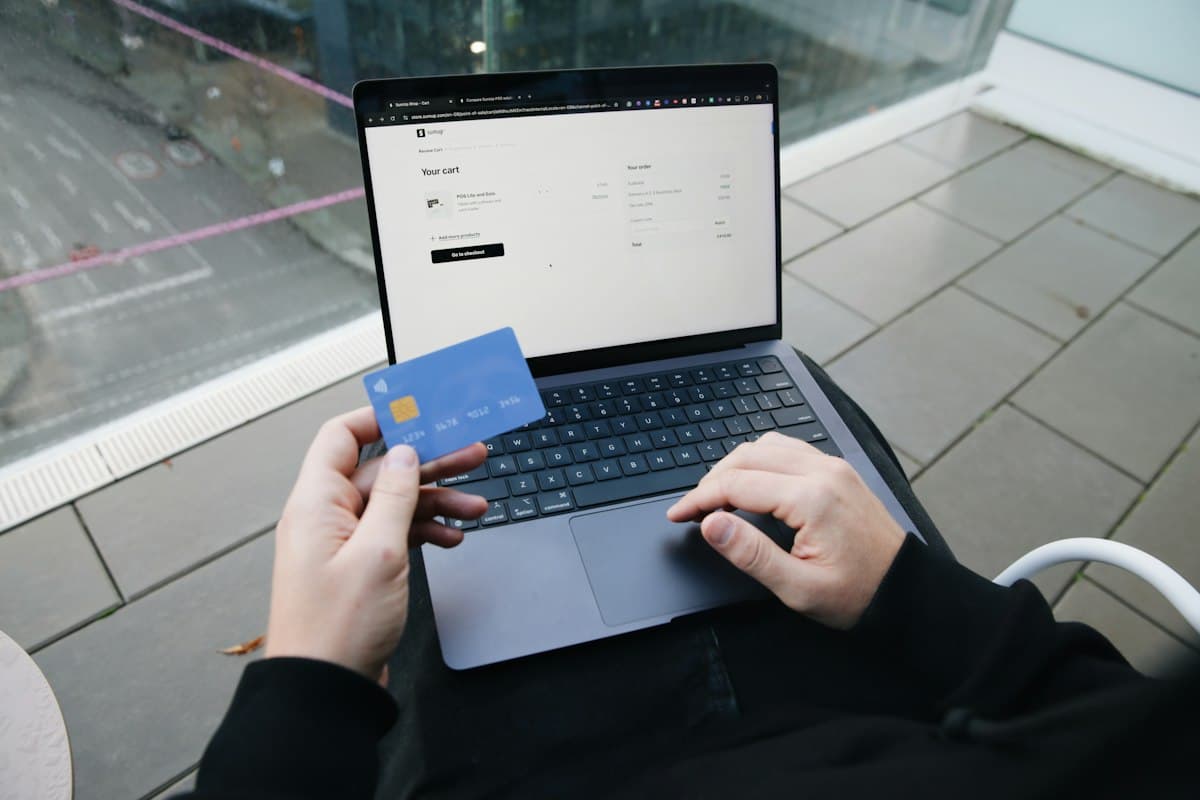
A shop that gets visitors and no orders has a leak, and the leak is almost always in one of three places: the product page, the cart, or the checkout. Buying more traffic before you know which one is a way of pouring water into the same bucket.
Each of the three fails for a different reason and needs a different fix. Treat them in order, because a buyer who never gets past the product page will never meet your checkout.
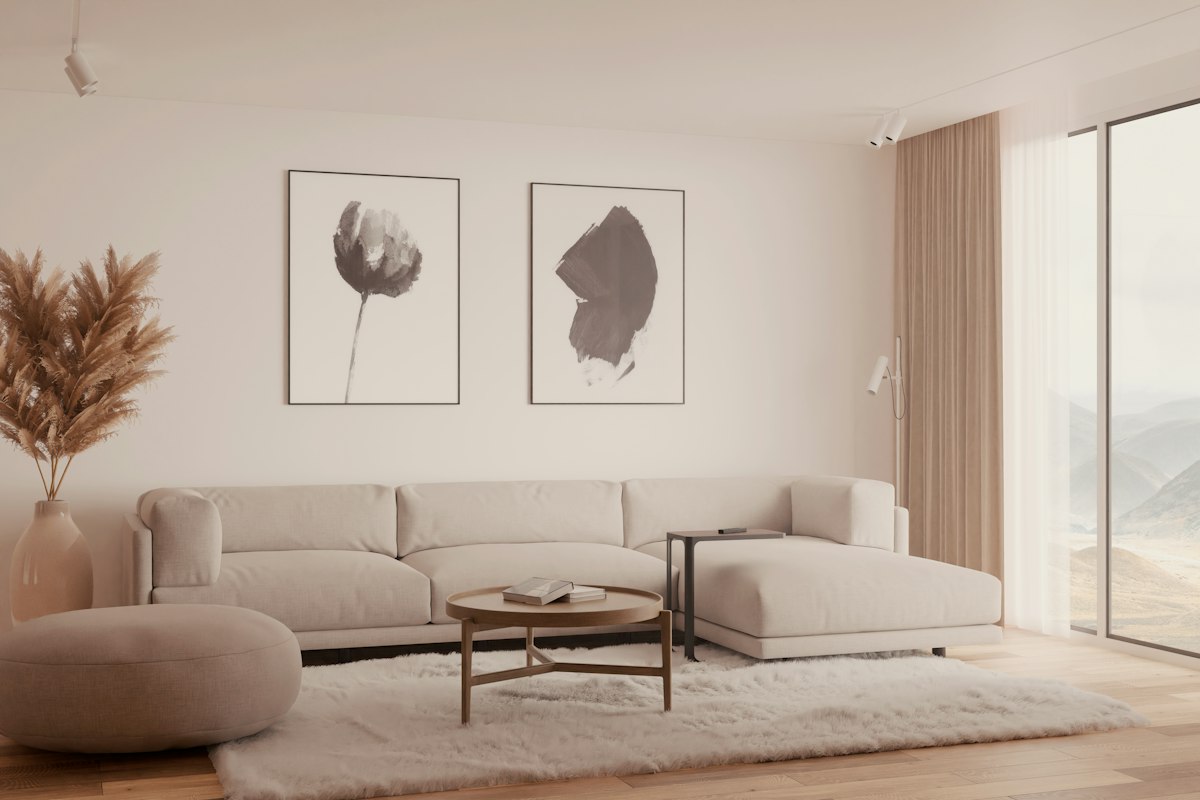
Photo by Imagine Reality Studio on Unsplash
Drop-off one: the product page
The most common reason a buyer leaves a product page is a question the page did not answer. For art, the question is nearly always size. "50x70" means little to someone standing in their hallway with no tape measure.
Put the size in centimetres and inches next to the price, not in the description. Add one photo with something of known size in it, such as a sofa, a shelf or a door frame. Say plainly what is included: frame, mount, glass, or just paper in a tube.
A room preview helps here, because the buyer can see the piece on their own wall before it ever reaches the cart. A tool like Blenda's preview at home does that. It will not rescue a page with a vague title, a blurry photo or a price that needs explaining, so fix those first.
Here is why the order matters, with made-up numbers. Say 1,000 people view a product page, 40 add to cart and 20 buy. Lifting add-to-cart from 40 to 50 gives you 5 extra orders. Lifting checkout completion from 20 to 25 per 40 carts, which is the same size of improvement, also gives you 5. You only know which one to work on if you measure both.
Drop-off two: the cart
The cart is where art buyers park a decision. Someone adds a print, sees the shipping line, and closes the tab "to think about it". Some come back and most do not.
Surprise is the main cause. If shipping appears for the first time in the cart, it feels like an extra charge, even when it is fair. Show an estimate on the product page, or state the delivery cost and the delivery time in one line under the price.
Returns come second. A buyer spending real money on something they cannot hold wants to know what happens if the colours look different on the wall. A short, plain returns line near the add-to-cart button does more than a long policy page nobody opens.
Then look at the cart itself. It should show the image, the size, the frame choice and the total, nothing else competing for attention. Cross-sells can wait until after the purchase.

Photo by Jonas Leupe on Unsplash
Drop-off three: the checkout
Checkout losses are the most painful, because the buyer has already decided. Almost all of them come from friction.
Forced account creation is the classic. Offer guest checkout and ask for an account afterwards, on the confirmation page, when the buyer has a reason to say yes.
Count your form fields. Every field that is not needed to ship the order and take the payment is a reason to leave. Buyers in Denmark expect MobilePay and buyers in Norway expect Vipps, so check which payment methods your platform offers for your market and turn on the ones your buyers already use.
Show the final total, including VAT and shipping, before the buyer types a card number. A total that changes on the last page is the fastest way to lose an order you had won.
How to find your own leak
Open your analytics and write down four numbers for the last 30 days: sessions, add to cart, checkout started and orders. Shopify, WooCommerce and Google Analytics all report some version of these.
Compare each step with the next and find the biggest gap. That gap is your job for this week.
Change one thing there, leave everything else alone, and look at the same four numbers 30 days later. If you change three things at once, you will not know which one worked.
FAQ
Where do most online art shops lose sales?
Most lose them in one of three places: the product page, the cart, or the checkout. Your own analytics will show which one, by comparing sessions, add to cart, checkout started and completed orders.
Why do people add art to the cart and then not buy?
The usual causes are a shipping cost they did not expect, no clear returns policy, and doubt about how the piece will look at home. A cart is often a place to park a decision rather than a step toward buying.
Should I offer guest checkout in my art shop?
Yes. Forced account creation is one of the most common reasons for abandoned checkouts, and you can still invite the buyer to create an account on the confirmation page.
How do I find out where buyers leave my shop?
Compare sessions, add to cart, checkout started and orders for the same 30 days. The step with the biggest drop is where to start.