Tubes, Flats, and Crushed Corners: Shipping Posters Without Eating Returns
Sixty cents. That's roughly what separates a plain paper envelope from a flat mailer with rigid board on both sides. It's also what separates a 50x70 print that arrives flat from one that comes back folded clean in half, refunded, shipping paid twice.
Poster shipping gets argued about as a cost question. Cheapest packaging that survives the trip, protect the margin on a print that sells for fifteen dollars. It is actually a returns question, and the two produce opposite answers.
That's the real shipping problem for a poster shop. It isn't the size of the box. It's that three different packaging methods each fail in a different way, most shops pick one and hope, and the failure never shows up in the shipping spreadsheet. It shows up in the refunds.

Photo by Rifki Kurniawan on Unsplash
The three ways to ship a poster, and how each one fails
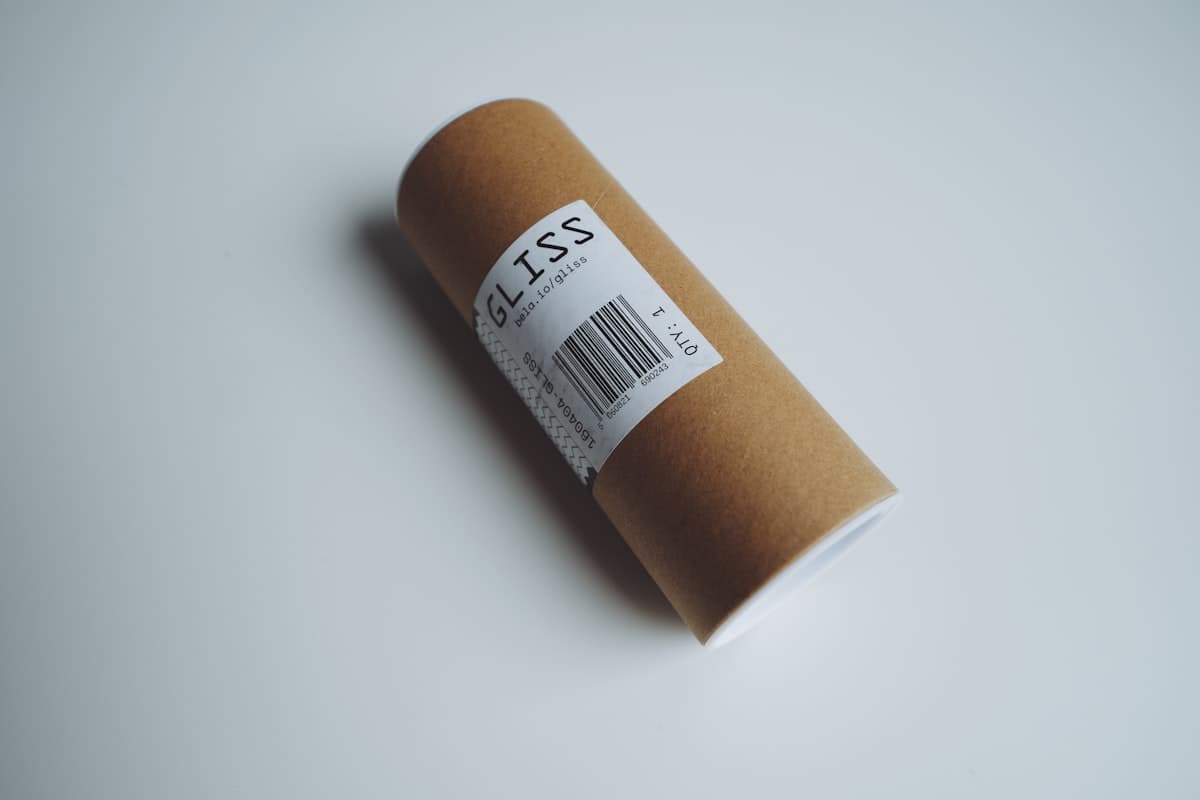
Tubes are the classic choice, and for good reason: they're cheap, they protect against crushing almost completely, and a single tube handles multiple prints at once. The failure mode is curl. A poster that's been rolled tight for four days in transit doesn't want to lie flat when it arrives. Customers who plan to frame immediately, especially under glass, find this genuinely annoying, even when a quick reverse-roll and an hour under a stack of books fixes it.
Flat mailers (two rigid chipboard or corrugated sheets sandwiching the print inside a flat envelope) solve the curl problem completely. The poster arrives exactly as flat as it left. The failure mode is cost and size. Flat mailers get expensive fast above A2, and at 50x70 or larger you're either using an oversized flat mailer that costs more than the print, or you're back to a tube.
Plain envelopes or poly mailers with no rigid backing are how a print ends up folded in half. They're the cheapest option and the one shop owners reach for when margins are tight on a $15 print. They're also the single most common cause of "it arrived damaged" tickets in poster shop forums and Printful's own seller community. If there's one packaging mistake to eliminate immediately, it's this one.
The pattern most shops land on, and it's a reasonable one: flat mailers for anything up to A2 or 30x40, tubes for anything larger, and never, under any circumstances, a bare envelope.
Why the packaging decision is really a returns decision
Here's the part that's easy to miss when you're comparing shipping costs in a spreadsheet: the cheapest packaging option isn't cheap once you count the return. A bare envelope might save 40-60 cents per order. One returned, refunded, and re-shipped 50x70 print wipes out the savings on dozens of orders. The real comparison isn't packaging cost per unit, it's packaging cost per unit versus damage-return cost per unit, and those numbers only tell the truth when you track them separately.
Most shops don't track them separately. They track total returns as one number, and "damaged in transit" gets lumped in with "didn't like the color" and "changed my mind." Split that number apart for a month and the packaging math usually answers itself.
What to actually put in the box
A few things matter more than the packaging type itself:
- Use a minimum 1.5mm tube wall for anything shipping more than a few days, thinner tubes crush at the ends under normal parcel handling.
- Cap both ends. An open-ended tube is an invitation for a forklift to find the one weak point.
- For flat mailers, the rigid board needs to extend past the print on all four sides, not just top and bottom. Corners are where damage happens, not centers.
- Print a "do not bend" mark on the outside. It doesn't stop every careless handler, but it changes behavior in manual sorting more than shop owners expect, and it costs nothing.
- Add tracking on anything over $40. The order where you skip it is the order that goes missing.

Photo by M. Cooper on Unsplash
The return you can't fix with better packaging
Worth separating out: not every return is a shipping problem. Some posters arrive in perfect condition and still come back, because the print looked like it would fill a wall and it turned out to be smaller than the customer pictured, or the colors read differently once it was actually hanging. That's not a packaging failure. That's a "the customer couldn't picture it" failure, and it needs a different fix. Some shops now let buyers preview a print at real size on their own wall before they order, with a tool like Blenda, specifically to catch that mismatch before it becomes a box in the mail.
Packaging fixes the returns caused by the trip. Nothing fixes the returns caused by the gap between a product photo and a real wall, except letting the customer close that gap themselves before checkout.
Sixty cents a parcel, or one refunded 50x70 with the shipping paid twice. Most shops never put those two numbers side by side. The ones that do stop arguing about packaging within a month.
FAQ
Should I ship posters in a tube or flat?
Use flat, rigid mailers for prints up to roughly A2 or 30x40 since they arrive without curl and cost less to ship damaged-free at that size. Switch to tubes above that size, where a flat mailer gets too expensive and a good tube protects just as well.
Why do posters shipped in tubes arrive curled?
A poster rolled tightly for several days in transit holds that curl from the paper fibers compressing around the tube's diameter. It usually flattens out within a day or two under light, even pressure, such as a stack of books, and using a wider-diameter tube reduces the curl in the first place.
What causes most poster shipping damage claims?
Shipping prints in a plain envelope or poly mailer with no rigid backing is the leading cause of "arrived damaged" claims, since the paper has nothing to stop it from bending or creasing under normal parcel handling. A rigid chipboard insert or a properly capped tube prevents nearly all of this damage.
Does thicker paper reduce poster shipping returns?
Thicker paper (250gsm and up) resists creasing better than thinner stock, but it doesn't fix bad packaging. A 250gsm print in a bare envelope still folds under enough pressure, so packaging and paper weight need to be solved together, not as substitutes for each other.