5 Things That Still Work on Instagram for Galleries in 2026
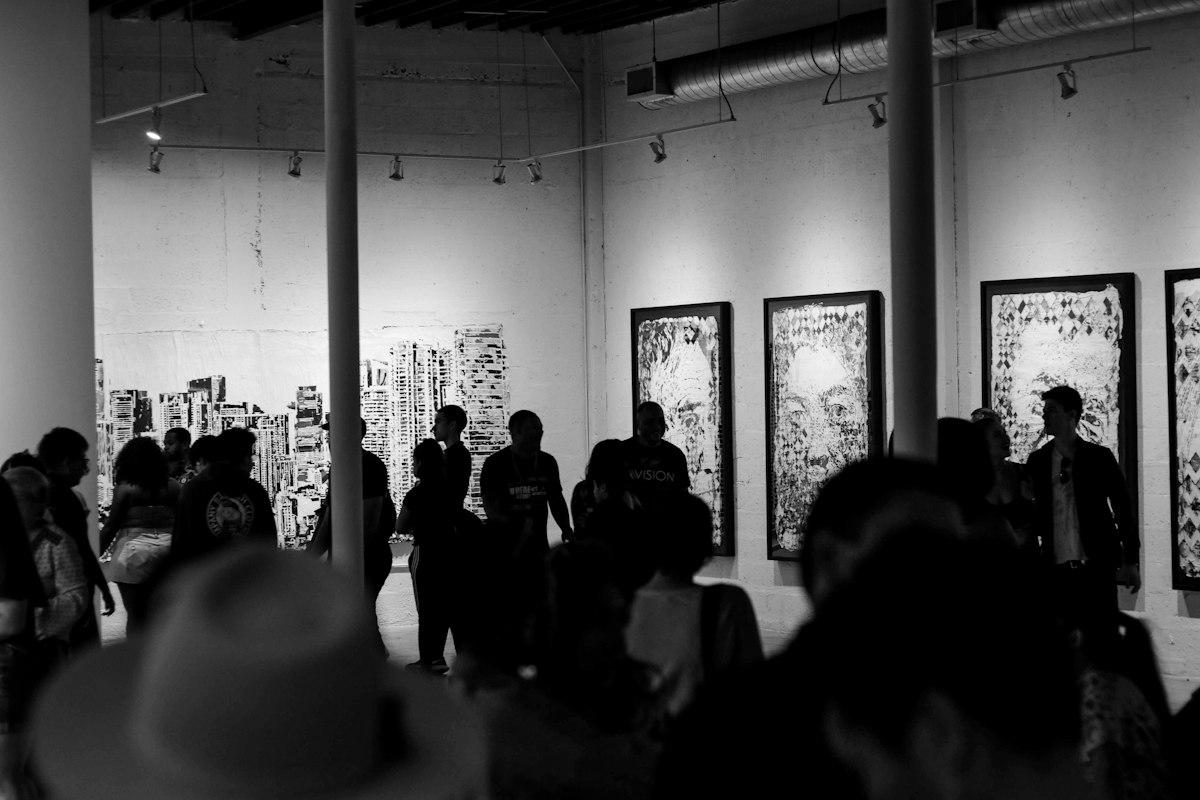
Most galleries use Instagram as a noticeboard: new show, opening Thursday, link in bio. It is the least useful thing the app can do for you.
Followers rarely buy from a noticeboard. They buy after they have seen a work at a believable size, watched someone handle it, and asked a question that got a quick answer. Five habits cover most of that.
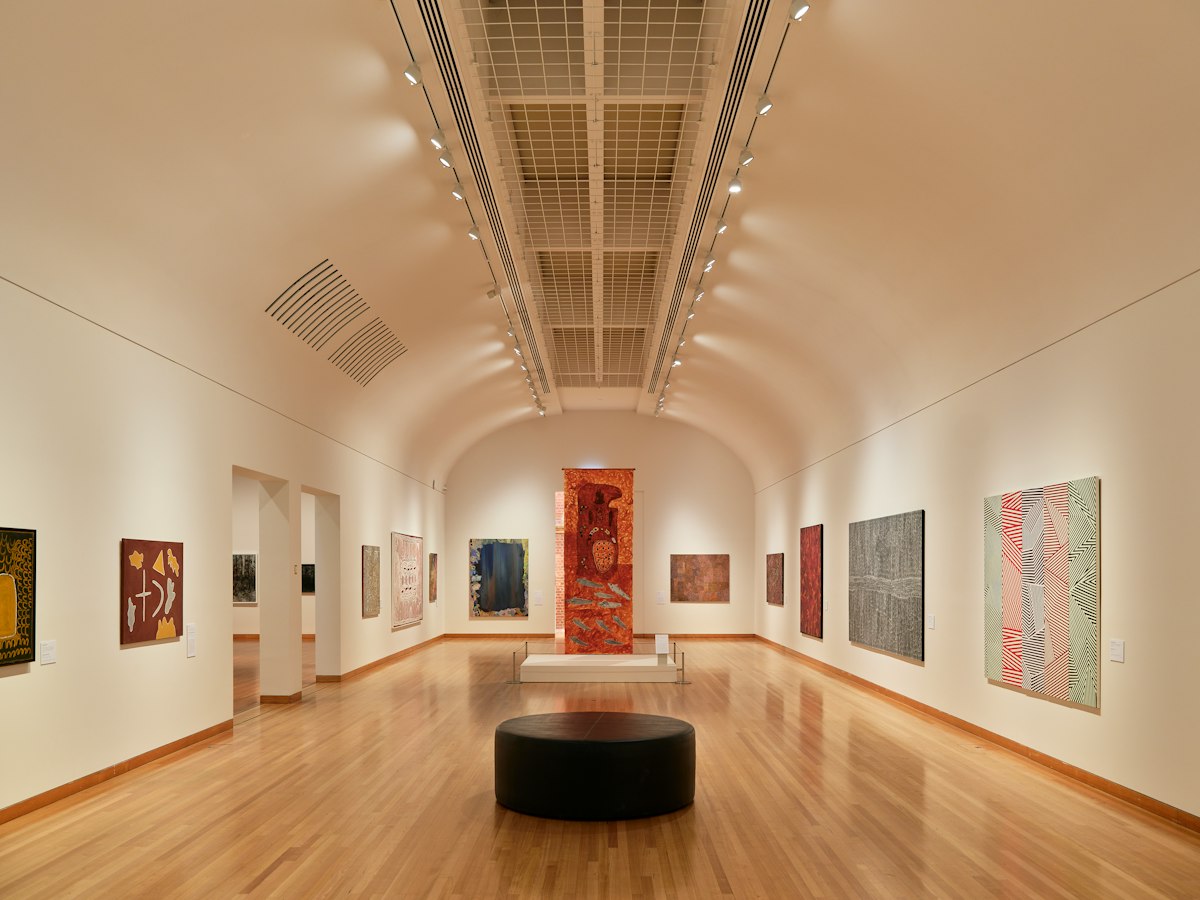
Photo by Neon Wang on Unsplash
1. Show the work at a size people can feel
A straight-on photo of a painting on a white wall tells a follower nothing about scale. Put a person, a sofa or a door frame in at least every third post. A visitor standing next to a 70x100 cm work says more than any caption.
Still write the size in the first line of the caption, in centimetres and inches, because many people read only that line. If you sell online, a room preview such as Blenda's preview at home lets the buyer run the same check on their own wall.
A quick test: look at your last nine posts and count how many let a stranger guess the size of the work. If it is fewer than three, start here.
2. Film the hang, not the opening
Reels from an opening night show the people who were already there. A crate being opened, a frame being levelled and a label being placed give everyone else a reason to come. Fifteen seconds is enough, handheld, with the sound of tape instead of music.
These clips are cheap, so make them on a quiet Tuesday while the installers are in anyway. You will have a month of material from one morning.

Photo by Brett Jordan on Unsplash
3. Answer in public, then move the price talk to private
Someone comments "price?" under a post. Reply in the comments with a short, warm answer and say you will send the details, then continue by direct message or email. The public reply shows every other lurker that the gallery answers. The private thread is where a price conversation belongs.
Set one rule. Every comment and message gets an answer within one working day. A buyer who waits three days has usually looked at another gallery by then.
Take a gallery that gets six comments on a Friday post and four direct messages over the weekend. Answering all ten on Monday morning takes about half an hour. Skipping them loses the ten warmest leads the account produced that week.
Ask for an email address once the conversation is going. A message thread stays inside the app, while an email address is yours to keep.
4. Give every week one next step
A link in bio that points to the homepage is a dead end. Change it each week to the single thing you most want people to do, such as the current show page, the new works for sale or the newsletter. Mention it in Stories and say it out loud in the Reel. Put the same words in the first line of your bio, so the link and the text agree. "New works, open now" does more than "Welcome".
One link and one ask. A link list with six options gets a click on the first one and little after that.
5. Tag the artist and ask them to share it
A collaboration post puts the same photo on the gallery's page and the artist's. The artist's followers are the people most likely to care about this work, and most galleries never reach them. Send the artist the image and caption a day ahead so you can post at the same time.
Do the same with the framer, the printer and whoever wrote the exhibition text. Each of them has a small audience that overlaps with yours only a little, which is the point.
Pick one of the five and do it this week. If a work of 70x100 cm or larger is on your wall right now, point 1 takes ten minutes.
FAQ
Does Instagram still work for selling art in 2026?
Yes, mostly as a place where buyers first see the work and start a conversation. Sales usually close by direct message, email or in the gallery, so treat each post as the start of that conversation.
How often should a gallery post on Instagram?
Consistency matters more than volume. Three to four posts a week that you can keep up for a year beat a daily schedule that stops after a month.
Should galleries put prices in Instagram captions?
It depends on the price level. For works you want to sell quickly, a visible price saves everyone time, and for higher-priced works it is common to say "price on request" and continue in a private message.
What kind of Instagram content gets collectors to enquire?
Posts that show a work's real size, its surface up close and how it hangs in a room. These answer the questions a collector would otherwise ask by message.